
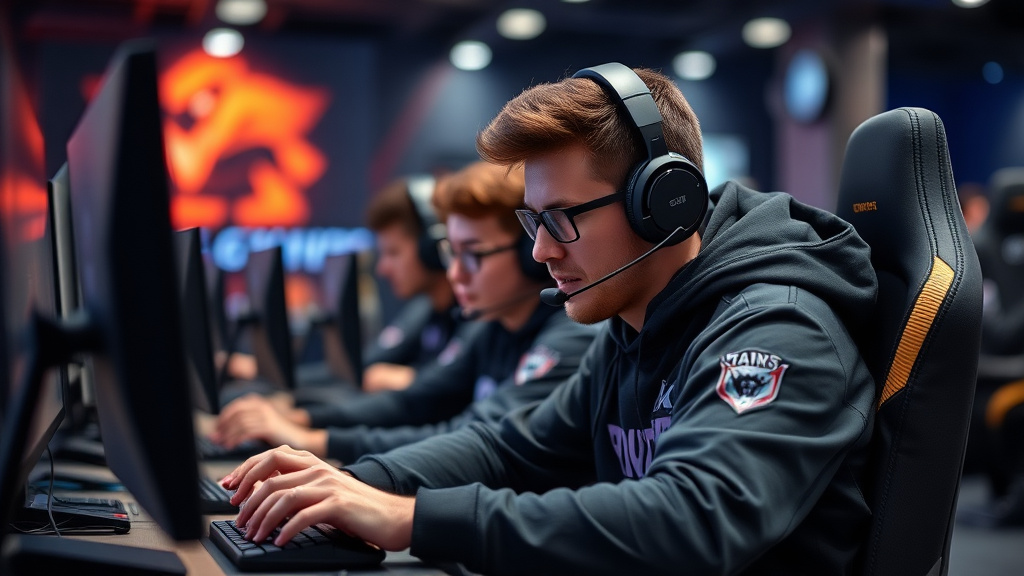
The professional gaming industry has evolved into a major global business, and top esports organizations are now investing like traditional sports franchises. From cutting-edge training centers outfitted with cutting-edge technology to dedicated coaching teams and performance psychologists, competitive gaming teams are maximizing every resource in their drive toward championship success. This article analyzes how these significant funding in facilities and staff are reshaping the professional gaming environment and setting new standards for player development and organizational success.
The Rise of Professional Gaming Ecosystems
The evolution of professional gaming has paralleled traditional sports in its structural growth. Top esports organizations now run large-scale training centers featuring high-performance gaming rigs, sophisticated network infrastructure, and designated practice zones. These facilities constitute millions of dollars in capital investment, reflecting the industry’s development and the strategic imperative for teams to deliver peak settings where players can hone their skills and achieve peak performance levels.
Investment in gaming infrastructure extends beyond physical spaces to include comprehensive technological ecosystems. Teams implement specialized software for data analytics, video analysis systems, and communication tools that enable seamless coordination among players and coaching staff. This technological infrastructure supports analytics-based training methods, enabling organizations to track player metrics, identify improvement areas, and design focused strategies that improve competitive results and sustain long-term athlete growth patterns.
Advanced Training Facilities
Modern esports training facilities rival professional sports complexes in their sophistication and design. Teams commit funding to specialized gaming workstations featuring top-tier peripherals, high-refresh-rate monitors, and ergonomic furniture designed to minimize physical stress during extended practice sessions. Temperature-regulated spaces, specialized lighting systems, and sound management solutions create ideal settings for focus and competitive excellence, while dedicated spaces accommodate group discussions, strategy sessions, and wellness initiatives vital for maintaining competitive readiness.
Beyond gaming stations, professional facilities include extensive resources supporting player wellbeing and group unity. Purpose-built zones for fitness training, food services, and psychological assistance reflect integrated methods to athlete growth. Many organizations feature relaxation spaces, streaming studios, and media facilities, recognizing that professional gamers need multifaceted environments supporting both competitive training and streaming output, ultimately enhancing competitive identity and revenue generation opportunities.
Professional Coaching and Support Staff
Professional gaming teams now utilize diverse coaching staff on par with traditional sports organizations. Head coaches develop game strategies and in-game tactics, while position-specific coaches work with individual players on technical proficiency and position-based knowledge. Assistant coaches manage team dynamics and communication standards, ensuring unified team performance. Additionally, teams hire mental health professionals and mental performance coaches who address pressure management, self-assurance development, and psychological resilience—key elements influencing outcomes in high-stakes competitive environments.
Support staff extends beyond coaching to include analysts, nutritionists, and athletic conditioning specialists. Game analysts analyze competitor video create tactical responses and deliver in-game strategic modifications during competitions. Sports nutritionists enhance athlete nutrition and hydration for mental function and sustained energy levels. This comprehensive support network recognizes that professional gaming success requires attention to physical health, mental preparation, and strategic analysis, reflecting investments traditional sports organizations make in athlete advancement and competitive excellence.
Market Dynamics and Capital Investment
The economic environment of professional gaming has undergone a dramatic shift, with teams committing unprecedented budgets toward facility upgrades and talent cultivation. Major esports organizations now spend substantial sums each year in state-of-the-art training facilities, advanced gaming hardware, and sophisticated analytics platforms. These expenditures demonstrate the industry’s maturation and the intense competition teams encounter to sustain peak performance. Organizations recognize that top-tier infrastructure strongly connect with improved player performance, talent acquisition strength, and competitive achievements in highly contested events.
Beyond physical infrastructure, teams are investing considerable resources to robust coaching and support systems. This includes lead coaches, assistant coaches, sports psychologists, dietary specialists, and performance consultants collaborating closely to maximize player performance. The monetary investment extends to player salaries, sponsorship deals, and promotional efforts that boost team recognition. Such thorough investment plans demonstrate that professional gaming organizations now operate with the equivalent financial precision and strategic planning as traditional sports franchises, ensuring lasting competitive edges.
