
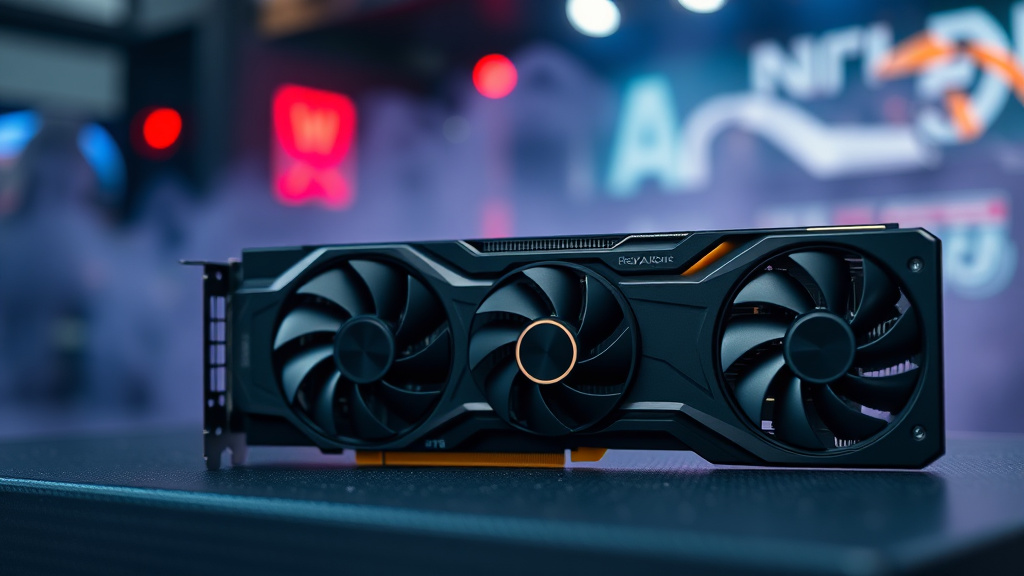
The gaming landscape is undergoing a dramatic shift as next-generation graphics cards expand the limits of what’s possible in PC gaming. With cutting-edge architectures, ray tracing technology, and artificial intelligence-powered rendering, these high-performance graphics processors deliver stunning visuals at unprecedented frame rates. Whether you’re a professional esports competitor pursuing peak efficiency or a cinematic gamer requiring photorealistic environments, the latest graphics cards are designed to enhance your gaming experience to remarkable heights. Explore the ways these technological marvels are reshaping the future of PC gaming worldwide.
Advanced Architecture and Performance Improvements
The latest generation of graphics cards introduces cutting-edge structural improvements that significantly improve rendering capabilities. These high-performance chips employ cutting-edge manufacturing techniques and optimized chip designs to deliver exceptional computational power. The modern framework supports parallel execution of multiple rendering tasks, producing substantially enhanced performance and lower energy usage. Gamers now experience better frame stability with higher frame rates, even at maximum graphical settings, while developers access advanced features for creating interactive gaming experiences.
Performance metrics reveal significant gains throughout various gaming conditions and display formats. Next-generation cards provide 40-60% performance increases versus earlier models, enabling 4K gaming at 144+ frames per second. Optimized memory structures and bandwidth optimization guarantee information moves smoothly through the GPU pipeline, eliminating bottlenecks. Dynamic ray tracing grows viable for consumer gaming, while AI-powered upscaling technologies like DLSS enhance image fidelity beyond conventional limits. These performance gains substantially transform what creators can achieve and what gamers can experience.
Advanced Cooling Solutions and Power Management
Next-generation graphics cards include revolutionary cooling technologies designed to preserve ideal operating temperatures throughout heavy gaming sessions. Advanced liquid cooling systems, improved heatsink designs, and intelligent fan management function together to dissipate heat efficiently. These innovations deliver maintained peak performance while extending hardware lifespan, enabling gamers to drive their systems harder without heat throttling or performance issues that plagued earlier GPU generations.
Power consumption optimization constitutes another critical advancement in contemporary graphics card design. Through improved manufacturing processes and intelligent power delivery systems, newer GPUs use significantly fewer watts while delivering superior performance compared to their predecessors. This efficiency translates to reduced energy costs, decreased ecological footprint, and reduced noise levels. Gamers gain from improved thermal stability and reliability, making premium gaming experiences more available and sustainable for enthusiasts worldwide.
Ray-tracing technology and AI-Powered Features
Ray tracing technology has revolutionized how graphics cards display natural light and reflections in live gaming environments. Next-generation GPUs utilize advanced ray tracing cores that simulate light behavior with remarkable precision, creating engaging environments where every shadow, reflection, and refraction appears naturally. This breakthrough enables developers to create visually stunning games with cinematic quality, transforming the player’s on-screen experience. Modern ray tracing implementations now support greater detail and frame rates simultaneously, making photorealistic gaming increasingly available than ever before.
Artificial intelligence incorporation constitutes another revolutionary change in graphics card technology, with AI-powered scaling methods like DLSS and FSR dramatically improving performance without compromising visual quality. These intelligent algorithms analyze game scenes and intelligently reconstruct higher resolution images from lower resolution inputs, allowing gamers to attain superior frame rates while retaining stunning graphics. AI-enhanced features also improve texture rendering, improve image quality in real-time, and enable smarter resource allocation across GPU cores. This integration of ray tracing and AI technology delivers an unprecedented gaming experience that combines breathtaking visuals with exceptional performance.
Gaming Experience and Industry Impact
The arrival of advanced graphics processors has fundamentally transformed the gameplay experience for PC gamers around the world. Players now enjoy immersive visuals with ray-traced lighting, accurate reflections, and sophisticated shadow effects that were previously impossible. These cards enable consistent frame rates at maximum settings and display resolutions, from 1440p to 4K, while maintaining strong performance. The esports community greatly benefits from higher refresh rates, providing the responsiveness and speed needed for esports games. everyday gamers also value the superior visual quality that creates immersive worlds with unprecedented realism and visual depth.
The market influence of these technological improvements has been considerable, driving robust expansion in the gaming hardware sector. Manufacturers are seeing increased demand as gamers upgrade their systems to utilize the new capabilities. This uptick has fostered competition among major GPU producers, producing innovation cycles that advantage consumers through better performance and value offerings. The ripple effects reach beyond hardware manufacturers to game developers, who now have powerful tools to create increasingly ambitious and graphically impressive titles. This market development demonstrates how advanced GPU technology are reshaping not just individual gaming experiences, but the entire global gaming industry.
