
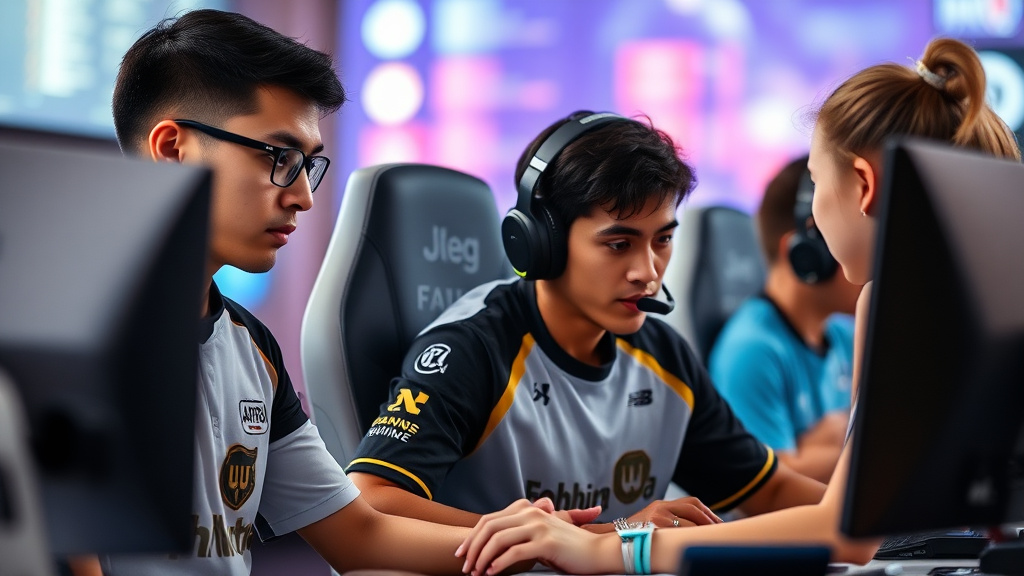
The esports industry is experiencing a significant transformation as major organizations emphasize player wellbeing more than ever. Recognizing the intense pressure, isolation, and burnout that competitive gaming demands, top organizations are now introducing robust psychological wellness programs. From therapy options to wellness initiatives, these innovative approaches aim to destigmatize mental health conversations and provide players with essential resources. This shift marks a pivotal moment in esports culture, demonstrating that elite performance and psychological wellbeing can coexist.
Industry Acknowledgment of Mental Health Emergency
The esports industry has grown to acknowledge a serious psychological health challenge impacting professional players worldwide. Competitive gaming requires exceptional commitment, with players investing substantial time in training, competition, and streaming. This intense pressure often results in psychological strain, anxiety, and depression. Leading esports companies have acknowledged that ignoring these issues compromises both player wellbeing and business performance, prompting urgent action.
Current surveys and professional accounts have illuminated the severity of mental wellness issues within esports. Many competitive players report suffering from exhaustion, lack of social connection, and performance anxiety at concerning levels. The intense competition of esports, combined with rigorous training regimens and constant oversight, creates a perfect storm for psychological distress. Major organizations now understand that confronting these challenges is vital for long-term development and athlete retention.
The negative perception associated with mental health in gaming has historically prevented players from accessing assistance. Many feared that addressing psychological struggles would harm their professional reputation or competitive standing. This culture of silence allowed problems to worsen, leading to players leaving, career interruptions, and tragic outcomes. Industry awareness of this crisis represents a fundamental shift toward establishing supportive environments where getting support is normalized.
Modern organizations now view mental health support as a competitive advantage rather than an supplementary perk. Teams implementing extensive health initiatives report enhanced athletic output, increased player retention, and stronger team cohesion. By prioritizing psychological health alongside physical training, esports organizations are setting new standards for athlete care. This forward-looking strategy demonstrates commitment to sustained athlete development and industry sustainability.
The monetary commitment in mental health infrastructure indicates expanding acknowledgment of its importance. Major sports organizations and leagues are dedicating significant budgets for counseling programs, psychological assessments, and wellness initiatives. This financial dedication demonstrates that psychological wellbeing is no longer an secondary concern but a core organizational priority. Such investments preserve player welfare while promoting healthier, more resilient performance settings.
Industry experts are partnering with mental health professionals to create scientifically-grounded interventions tailored to esports culture. These partnerships ensure that support programs tackle gaming-specific challenges while upholding clinical rigor. By blending expertise from psychology, sports medicine, and gaming, organizations are creating holistic systems that genuinely serve player needs and improve industry-wide wellbeing standards.
Deployment of Support Measures
Integrated Support Services
Major esports organizations are establishing dedicated mental health teams comprising qualified mental health professionals and sports psychologists who recognize the unique pressures of professional esports. These professionals engage with players to manage performance anxiety, stress management, and individual difficulties. Many organizations have implemented private therapy appointments through both in-person and online formats, ensuring accessibility for all players. This holistic system allows players to receive immediate support at competitions and across their professional journey, cultivating a culture where seeking help is viewed positively.
The mental health support extend beyond individual therapy to encompass group workshops and seminars focused on mental resilience and emotional intelligence. Organizations are allocating resources to preventative mental health education, teaching players coping strategies before crises emerge. By creating these support systems early, teams show their commitment to comprehensive player growth. Additionally, many organizations collaborate with external mental health providers to guarantee objective, specialized care that preserves professional boundaries while delivering comprehensive treatment options customized for esports athletes’ specific needs.
Employee Wellness Programs and Lifestyle Support
Comprehensive wellness initiatives now support traditional mental health services, addressing the physical and psychological factors that impact player performance and wellbeing. Organizations are establishing structured programs that include strength and conditioning support, dietary counseling, and rest improvement techniques. These comprehensive methods recognize that mental health is deeply connected to physical health, lifestyle choices, and daily routines. By offering support from nutritionists, personal trainers, and sleep specialists, teams help players establish healthy habits that support both athletic performance and long-term mental stability.
Beyond individual wellness services, organizations are building supportive team environments through social activities, guidance schemes, and collective development programs. Regular team retreats, mindfulness practices, and stress-relief activities foster mutual trust while providing constructive channels for pressure management. Some organizations have created mutual assistance programs where seasoned professionals mentor newcomers, facilitating collaborative learning about mental health support options and adaptive strategies. These comprehensive wellness initiatives illustrate that organizations acknowledge psychological wellbeing support requires synchronized initiatives across various areas, creating holistic frameworks designed for ongoing player health.
Implications and Future Direction
The rollout of comprehensive mental health support programs is already demonstrating significant outcomes across the esports industry. Players report greater confidence, lower anxiety levels, and enhanced competitive performance when they have access to professional mental health resources. Organizations investing in these programs are seeing better player retention, improved team dynamics, and enhanced competitive performance. This evidence-based success is prompting other teams and leagues to adopt similar approaches, creating a ripple effect throughout the esports ecosystem.
Looking ahead, mental health support in esports is positioned to emerge as an industry standard rather than a competitive advantage. As awareness increases and stigma reduces, we can expect more advanced, individualized mental health programs adapted to individual player needs. The convergence of technology, peer support networks, and professional clinical services will create holistic wellness ecosystems. This evolution delivers a healthier, more sustainable future for esports professionals across the globe.
Primary Benefits and Advancements
- Decreased player burnout and enhanced sustained career longevity
- Enhanced team performance through superior mental resilience development
- Boosted player recruitment and retention in top-tier teams
- Normalization of mental wellness discussions within esports communities
- Development of research-backed strategies tailored to esports demands
The cultural transformation psychological wellbeing consciousness in esports extends beyond individual players to impact entire team frameworks. Teams are reorganizing training plans, establishing required recovery time, and creating supportive team environments that focus on mental wellness. Coaches and management are undergoing training on identifying psychological difficulties and addressing them properly. This systemic approach ensures that psychological assistance is integrated across the organization rather than operating as standalone initiatives.
As esports maintains its accelerated expansion, the foundation built by these mental health initiatives will demonstrate significant value. Future generations of esports professionals will advantage from mainstream mental health approaches, easy-to-access support, and engaged communities. The industry’s commitment to player wellbeing sets a compelling model for other competitive fields, demonstrating that success and mental health are aligned rather than conflicting priorities. This transformation represents a pivotal point in esports history.
